Improved Communication
Supports children in expressing needs, making choices, understanding instructions, and communicating with others.

Supporting positive behaviours, communication, learning, and everyday independence through individualized, evidence-informed therapy.

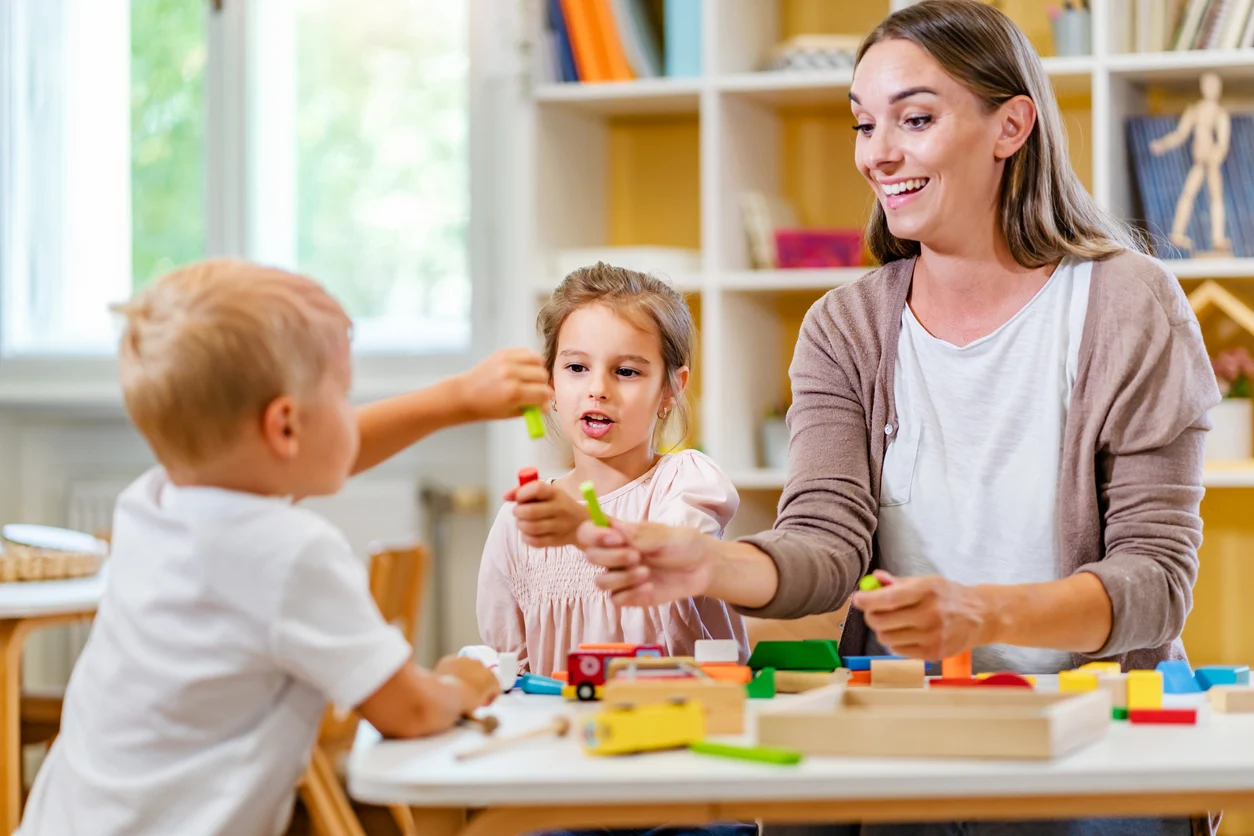
At Gyanti Child Development Center, our Applied Behavior Analysis (ABA) Therapy helps children learn positive behaviours, improve communication, and develop essential life skills through structured, evidence-based methods.
ABA therapy focuses on understanding each child's individual needs and using positive reinforcement and other appropriate teaching strategies to encourage useful, meaningful skills.
Our behavior therapists develop individualized programs that break complex skills into manageable steps, making learning more achievable and engaging. Depending on the child's goals, sessions may focus on social interaction, language and communication, attention, or everyday routines.
Our approach: Therapy goals are tailored to each child and should prioritize useful skills, positive participation, dignity, and meaningful improvements in everyday life.
Individualized ABA programs can help children develop practical communication, learning, and social skills through structured practice and supportive guidance.
Supports children in expressing needs, making choices, understanding instructions, and communicating with others.
Encourages helpful behaviours by understanding individual needs, identifying triggers, and reinforcing positive skills.
Helps children practise social interaction, sharing, turn-taking, and participating in everyday activities.
Uses structured activities and manageable steps to support attention, skill development, and learning.
Practical learning and family collaboration help children practise useful skills across everyday environments.
Supports self-help skills such as dressing, eating, personal routines, following instructions, and completing age-appropriate everyday tasks.

Helps parents understand strategies that support communication, routines, and the continued practice of appropriate therapy goals at home.
Our ABA therapy approach focuses on each child's individual strengths, support needs, and developmental goals. We aim to make learning structured, encouraging, and relevant to everyday life.
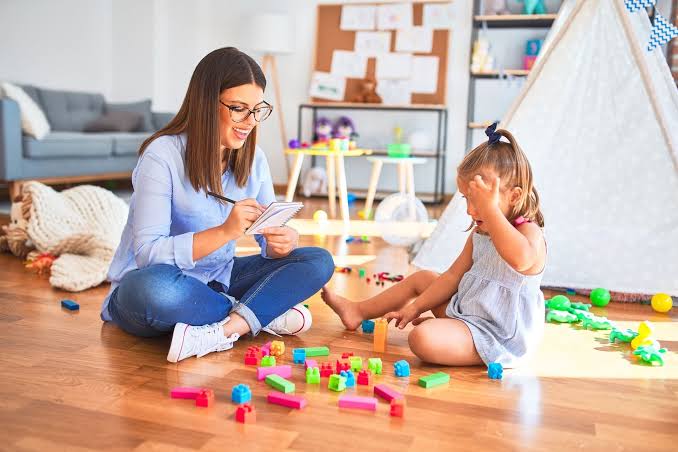
Learn more about ABA therapy, individual programs, goal setting, and how parents can support their child's progress.
Applied Behavior Analysis (ABA) is an evidence-based approach to understanding learning and behaviour. It uses assessment, structured teaching, positive reinforcement, and progress monitoring to help individuals develop useful communication, social, and everyday skills.
ABA-based support may help children who need assistance with communication, learning, daily routines, social interaction, or specific behaviours. It is commonly used with some children with autism spectrum disorder (ASD). Suitability should be determined through an individualized assessment rather than a diagnosis alone.
Duration and session frequency depend on the child's needs, goals, progress, and family circumstances. The therapist should review progress regularly with the family and adjust the plan when needed. There is no single timeline that is right for every child.
Therapists assess the child's current abilities, strengths, and support needs, then work with the family to establish individualized, measurable goals. Progress is monitored over time, and goals can be adapted as the child's needs change.
Yes. Parent participation can help children practise useful skills across daily routines and settings. Therapists can share strategies, discuss progress, and help caregivers incorporate appropriate learning opportunities into everyday family life.
Every child has their own strengths and learning journey. Contact Gyanti Child Development Center to discuss whether ABA therapy may be appropriate for your child.